

Global inflation, interest rates and where its all going
Inflation has become a prominent concern for investors in recent times, causing ripples across financial markets and prompting individuals and institutions alike to re-evaluate their investment strategies. This article delves into the current state of global inflation, providing essential insights and data to understand the evolving economic landscape. We will explore the causes and consequences of rising inflation and analyze how it is likely to influence investor behavior in the near future.

The Current State of Global Inflation
Before delving into the potential impact on investors, it’s vital to understand the current state of global inflation. The period following the 2008 financial crisis was characterized by low inflation rates across the world. Central banks in many developed countries struggled to reach their inflation targets, often below the desired 2% mark. However, since the outbreak of the COVID-19 pandemic in 2020, the global inflation landscape has undergone a significant shift.
In 2021, inflation rates started surging in many parts of the world, driven by a combination of factors:
- Supply Chain Disruptions: The pandemic led to supply chain disruptions, causing shortages in various industries, which resulted in rising prices for goods and services.
- Monetary Policy Response: Central banks, such as the Federal Reserve in the United States, implemented expansionary monetary policies, including low-interest rates and asset purchases, to combat the economic fallout of the pandemic. These measures injected a substantial amount of money into the economy, potentially fueling inflation.
- Fiscal Stimulus: Governments around the world rolled out massive fiscal stimulus packages to support their economies. While necessary during the pandemic, these actions increased the overall money supply, further contributing to inflationary pressures.
- Commodity Price Surge: The prices of essential commodities, like oil, copper, and agricultural products, experienced significant increases, leading to higher production costs for businesses and, ultimately, consumers.
The most recent data revealed some noteworthy figures:
- The United States saw Consumer Price Index (CPI) increases at their highest level in decades, with the CPI reaching 7.7% in October 2022, the highest in more than 40 years.
- Eurozone inflation reached 10.6% in October 2022, the highest level since the introduction of the euro.
- China has experienced sustained higher producer prices, contributing to a global surge in raw material prices.
Investor Implications
The rising inflation environment has several important implications for investors, which will likely shape their strategies in the near future.
- Asset Allocation: Inflation erodes the purchasing power of fixed-income assets, making them less attractive. Investors may shift their portfolios towards assets that historically perform well during inflationary periods, such as equities, real assets like real estate and commodities, and potentially cryptocurrencies.
- Equities: Historically, stocks have been viewed as a hedge against inflation. Earnings of companies can increase with rising prices, allowing them to pass on higher costs to consumers. Nevertheless, investors must be cautious, as extreme inflation can lead to uncertainty and economic instability, which could impact stock markets negatively.
- Bonds: Fixed-income investments become less appealing during times of inflation, as the real return diminishes. Investors might consider shorter-duration bonds or inflation-protected securities (TIPS) to mitigate this risk.
- Real Assets: Real estate and commodities have traditionally performed well during inflationary periods. These assets can act as a store of value and may appreciate in value as inflation rises. Diversifying into real assets could help investors protect their portfolios against the erosive effects of inflation.
- Cash and Fixed-Income Maturity Laddering: For those concerned about rising inflation, diversifying among different types of bonds and laddering maturities can help balance the need for income and preservation of capital.
- Currency Exposure: Currencies can be significantly affected by inflation. Investors may consider allocating a portion of their portfolio to currencies that have historically acted as a hedge against inflation, like the Swiss Franc or Singapore Dollar.
- Commodities and Inflation-Linked Securities: Investments in commodities or inflation-linked securities like TIPS can provide a direct hedge against inflation. Commodities, including precious metals like gold and silver, tend to appreciate when inflation is high.
- Emerging Markets: Some emerging markets may offer opportunities for higher returns during inflationary periods. However, these investments also come with higher volatility and risks, so careful research and diversification are essential.
- Staying Informed: Given the dynamic nature of inflation and the factors influencing it, staying informed about economic developments, central bank policies, and government actions is crucial. Being nimble and adaptive with your investment strategy can help protect your portfolio.
The Role of Central Banks
Central banks play a pivotal role in managing inflation, and their policies have a significant impact on investor sentiment and asset prices. As inflation rates rise, central banks face a delicate balancing act. They must determine when and how to tighten monetary policy to curb inflation without jeopardizing economic growth.
In response to rising inflation, central banks have begun to adopt tighter monetary policies in various forms, such as increasing interest rates and tapering asset purchase programs. The U.S. Federal Reserve, for instance, began tapering its bond-buying program in 2021 and signaled its intention to raise interest rates in the future.
The actions of central banks will be closely monitored by investors, as any missteps could trigger market volatility. A premature or overly aggressive tightening of monetary policy could lead to a sharp correction in asset prices, while a delayed response may allow inflation to become entrenched.
Cryptocurrencies as an Inflation Hedge
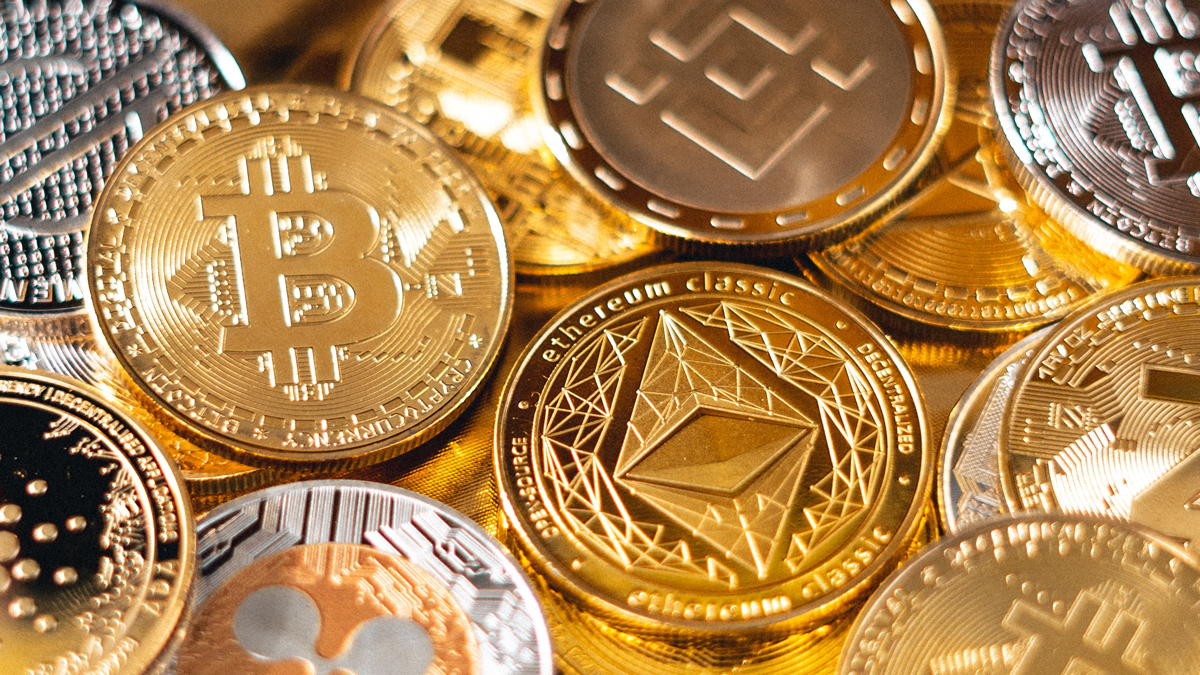
The rising popularity of cryptocurrencies, particularly Bitcoin, has been partly attributed to concerns about inflation and the erosion of fiat currency value. Bitcoin, often referred to as digital gold, is seen by some as a store of value and a potential hedge against inflation.
In 2021, Bitcoin experienced significant price appreciation, attracting both institutional and retail investors. The narrative of Bitcoin as a hedge against inflation, combined with its limited supply and decentralized nature, has made it an attractive asset for those seeking to protect their wealth in an inflationary environment.
However, it’s important to note that cryptocurrencies, including Bitcoin, are highly speculative and volatile assets. Their prices can be influenced by a multitude of factors, including regulatory changes and market sentiment. Investors considering cryptocurrencies should do so with caution and consider their risk tolerance.

Where are we headed?
Global inflation is an economic force to be reckoned with, and it has already left its mark on financial markets and investor behavior. As central banks attempt to navigate this challenging terrain, investors must carefully evaluate their portfolios and adapt their strategies accordingly.
In a world of rising inflation, asset allocation becomes paramount. Diversifying into assets that historically perform well during inflationary periods, such as equities, real assets, and inflation-protected securities, can help mitigate the erosion of purchasing power. Additionally, keeping a close eye on central bank policies and staying informed about economic developments is essential.
Investors should also consider the role of cryptocurrencies, like Bitcoin, as potential hedges against inflation. However, they must approach these assets with caution and a clear understanding of their inherent risks.
In these uncertain times, prudent and informed decision-making will be the key to weathering the storm of global inflation and achieving financial goals.
Sources:
- https://www.imf.org/en/Blogs/Articles/2022/10/11/interest-rate-increases-volatile-markets-signal-rising-financial-stability-risks
- https://abans.co.in/blog/Rising_Interest_rate_scenario_Impact_on_assets_class.aspx
- https://www.stlouisfed.org/on-the-economy/2023/feb/rising-rates-complicate-banks-investment-portfolios
- https://www.morganstanley.com/articles/investments-for-rising-interest-rates?cid=whmt-smfa-investin-12249
- https://www.ecb.europa.eu/pub/pdf/scpwps/ecb.wp2803~47f6833539.en.pdf
- https://www.aresmgmt.com/sites/default/files/2022-10/Infrastructure-Inflation-White-Paper-October-2022_1.pdf
- https://mybrand.schroders.com/m/bc875667b1d9cb41/original/Investment-Perspective-What-are-the-inflation-beating-asset-classes.pdf
- https://www.usatoday.com/money/blueprint/investing/economic-outlook-2024/
- https://www.imf.org/en/Blogs/Articles/2023/10/10/resilient-global-economy-still-limping-along-with-growing-divergences
- https://www.spglobal.com/marketintelligence/en/mi/research-analysis/an-asynchronous-global-economic-expansion.html
- ey.com/en_us/real-estate-hospitality-construction/higher-interest-rates-and-the-impact-on-real-estate
Disclosure
Howard Capital Management, Inc. (“HCM”) is an SEC-registered investment advisor with its principal place of business in the State of Georgia. SEC registration does not constitute an endorsement of HCM by the SEC, nor does it indicate that HCM has arraigned a particular level of skill or ability. HCM is not an accountant, or a tax accountant and this document is for information purposes only. Please consult a tax accountant for information pertaining to your account. HCM only transacts business where it is properly registered or is otherwise exempt from registration. LARL.GIArticle.121923 | HCM-121923-114
